
Avoid battery failure in winter
Car battery dead in winter: why winter reveals hidden damage
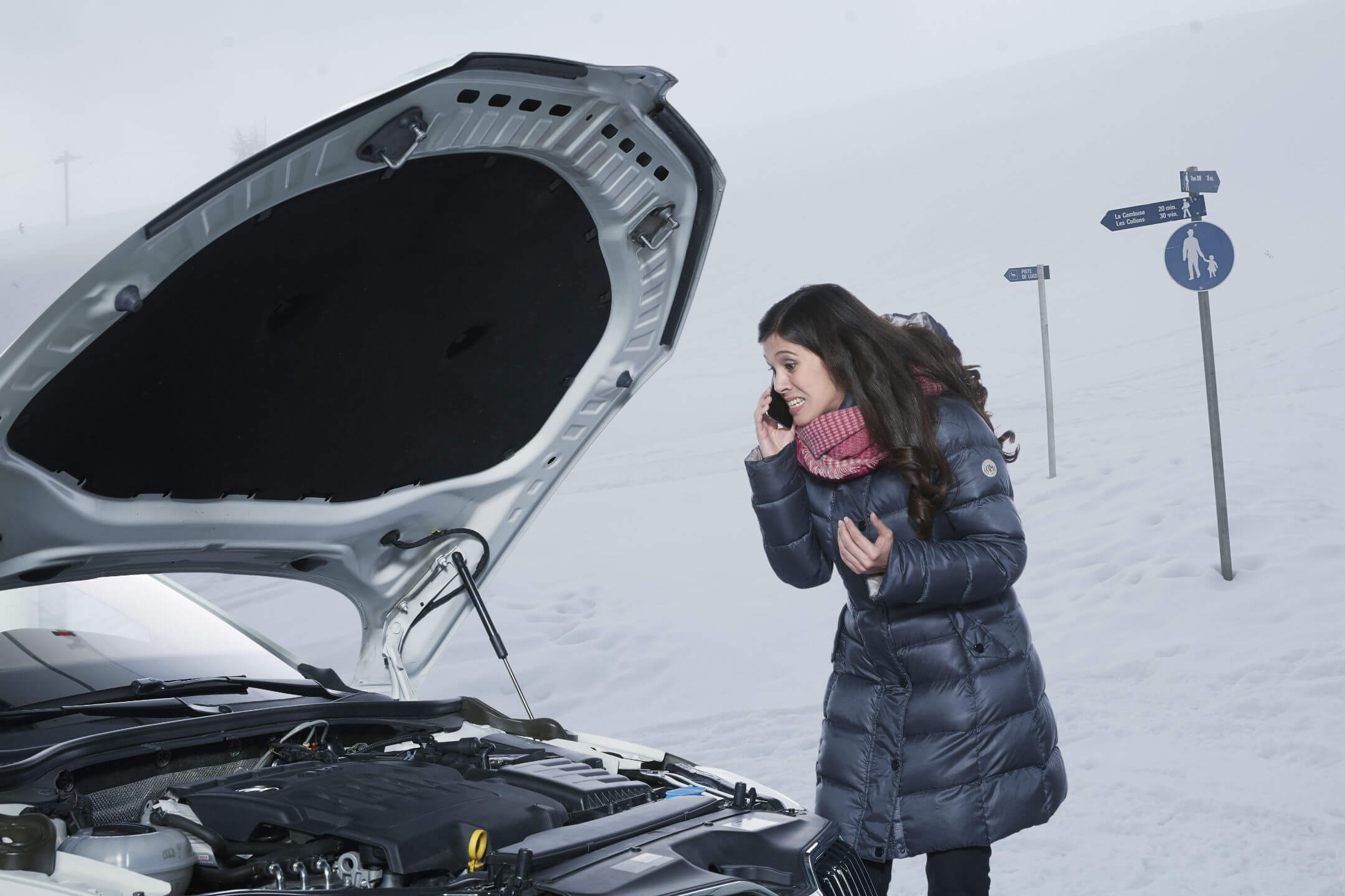
When it comes to car batteries and cold weather, many drivers only notice problems once temperatures fall – often realizing it for the first time when the car won’t start in cold conditions or they suddenly find the battery dead in car on a frosty morning. Cold conditions slow down essential chemical processes inside the battery, reducing available power and increasing the likelihood of battery failure - this is why many drivers suddenly find the battery dead in car even though everything seemed normal during the warmer months.
According to recent ADAC breakdown statistics, the 12-volt starter battery remains the number one cause of vehicle malfunctions, accounting for around 45% of all callouts. This makes the battery by far the most common reason for cars not starting in cold weather and explains why so many drivers experience battery problems in winter. Weak batteries are especially prone to battery failure once temperatures drop, often leaving the battery dead in the car even if the vehicle performed normally in autumn. For drivers wondering how to know if a car battery is dead or what to do when a car battery dies, a professional battery test in a VARTA Partner workshop before winter is the most reliable way to avoid sudden breakdowns.
Common reasons for a dead battery in the car during winter - including car batteries and cold weather issues and a higher risk of battery failure - can be traced back to heat-related ageing and cold-weather strain.
- Around 45% of vehicle breakdowns are caused by weak or failing 12-volt batteries, making them the most common reason for cars not starting in cold weather.
- Summer heat accelerates battery ageing, which often leads to battery problems in winter and increases the risk of a dead car battery in cold weather.
- Battery replacement should be carried out by a workshop, ensuring correct fitting and preventing further battery failure during the winter months.
Batteries age in summer and fail in winter
 Dr. Christian Rosenkranz, head of the development department at Clarios.
Winter is usually a time when cold weather proves too harsh for a weak battery to survive – especially if it was preceded by an extraordinary long and hot summer as this year was. Heat dramatically shortens the life-span of a battery, so by the time winter comes, older batteries are close to their limit. “Many drivers think that cold weather does damage to the battery, but it is the heat that is the start of its downfall,” explains Dr. Christian Rosenkranz, Vice President Engineering at Clarios. An outside temperature of +20°C is optimal for a car battery. This year the temperature often climbed over +30°C.
High temperatures lead to self-discharge of the battery and cause its electrochemical parts to age more quickly. “These effects may not cause the battery to fail immediately, but they can jump-start the deterioration,” says Rosenkranz. Whilst this development remains unnoticed throughout summer and autumn, the problems start to show in winter, when more energy is needed to start the engine. For this reason, the battery should be checked regularly throughout the whole year.
Apart from extreme temperatures in summer and winter, there are many other reasons that can cause battery failures. If the car is used infrequently or only for short distances, the alternator cannot fully charge the battery, while electrical consumers as the rear window and seat heating contribute to further battery discharge. Long downtimes should be avoided if possible, because in many modern cars the battery has to supply energy even when the engine is switched off: Systems such as alarms, door locks, keyless-go functions and navigation systems need energy even when the car is parked. Especially in winter, drivers should therefore try to make a longer journey at least once per month for the battery to be fully re-charged.
The battery is part of a complex electrical system
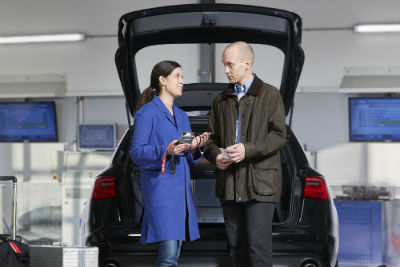
As the battery ages, its performance decreases since corrosion and sulfation prevent it from fully charging. If a check reveals that the battery should be replaced, this should be handled by a workshop. In today’s cars, the role of the battery has changed: it does not only provide energy for the ignition and to start the vehicle, but is part of a complex electrical system, powering a wide range of comfort and fuel-saving functions such as air conditioning, seat heaters and Start-Stop systems. Furthermore, the battery is no longer easily accessible under the bonnet, but may be installed in the boot or under a seat. Because of this, special tools and expertise are needed to replace batteries in modern cars. In order to ensure a problem-free and safe replacement, this task should be carried out by a specialist.
“Battery testing helps to indicate upcoming failure. Therefore, drivers should have their batteries checked by workshops at least once a year before winter,” says Rosenkranz. “This keeps them on the road and protects them from additional costs and hassle. Nothing is more annoying than a battery that is still strong enough to turn on the lights, but too weak to spin the starter.”
Find a trusted workshop
Do you work with batteries?
Deepen your knowledge
-
Construction of VARTA<sup>®</sup> ProMotive EFB Truck BatteriesA patented mixing element ensures that acid stratification cannot occur in our ProMotive EFB battery. Read our article now to find out exactly how this works and what advantages it brings.
-
The importance of charge acceptance of truck batteriesBatteries with high starting current (CAA) and sufficient capacity (C20) guarantee reliable fleet operation. We tell you why.
-
Battery tips for the leisure seasonGet ready for your journey. Discover helpful tips and tricks for your leisure battery to get the best start to the season
Got a question?
-
Make use of our VARTA Battery Finder to find the battery product that fits your vehicle.
-
According to the 2024 ADAC breakdown statistics, 44.9% of all vehicle breakdowns are caused by battery issues (see: https://www.adac.de/rund-ums-fahrzeug/unfall-schaden-panne/adac-pannenstatistik/). Ensure your battery isn’t one of them.
Find a trusted VARTA® Partner near you and get your vehicle battery checked!
Go to VARTA Partner Finder
-
To extend your vehicle's battery life, consider these tips:
- Charge Care: Regularly monitor and charge the battery, especially during long-term parking or winter storage. Charge every two months if used sporadically.
- Check Charge: Regularly check battery charge, particularly in cold weather or after short trips. Dimming headlights indicate low charge.
- Prioritize Safety: Conserve battery by minimizing non-essential electrical use and keeping safety systems active during long drives.
- Clean Installation: Keep the battery and terminals clean to prevent discharge and enhance charging efficiency.
For more information find our article "Correct battery care"